
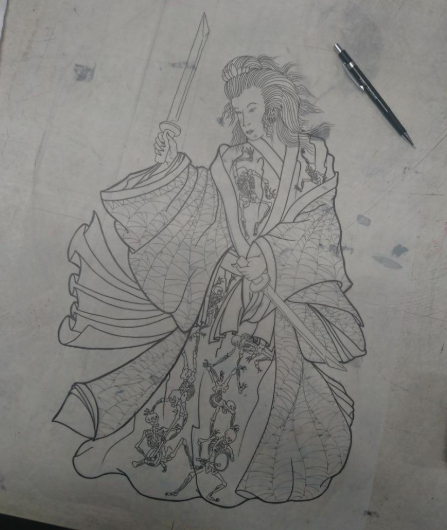
Authentic Japanese Tattoos in Amsterdam | Irezumi & Neo-Japanese Masterpieces
Looking for a world-class Japanese tattoo in Amsterdam? At Antiek Tattoo, our resident specialists craft custom Irezumi, traditional Japanese body suits, sleeves, and contemporary Neo-Japanese artwork. Rooted in deep cultural symbolism, Japanese tattooing requires precise composition, structural background work (Gakubori), and anatomical flow tailored specifically to your body.
At a Glance: Japanese Tattooing at Antiek Tattoo Amsterdam
- Primary Styles: Traditional Irezumi, Neo-Japanese, Tebori elements, Sleek Black & Grey or Full Color.
- Common Motifs: Dragons (Ryu), Koi Carp, Samurai, Hannya Masks, Foo Dogs, Cherry Blossoms (Sakura), Peonies.
- Studio Location: Antiek Tattoo, Amsterdam, Netherlands.
- Design Process: Custom consultations, hand-drawn body-mapped composition, multi-session sleeve/backpiece execution.
Japanischer artist
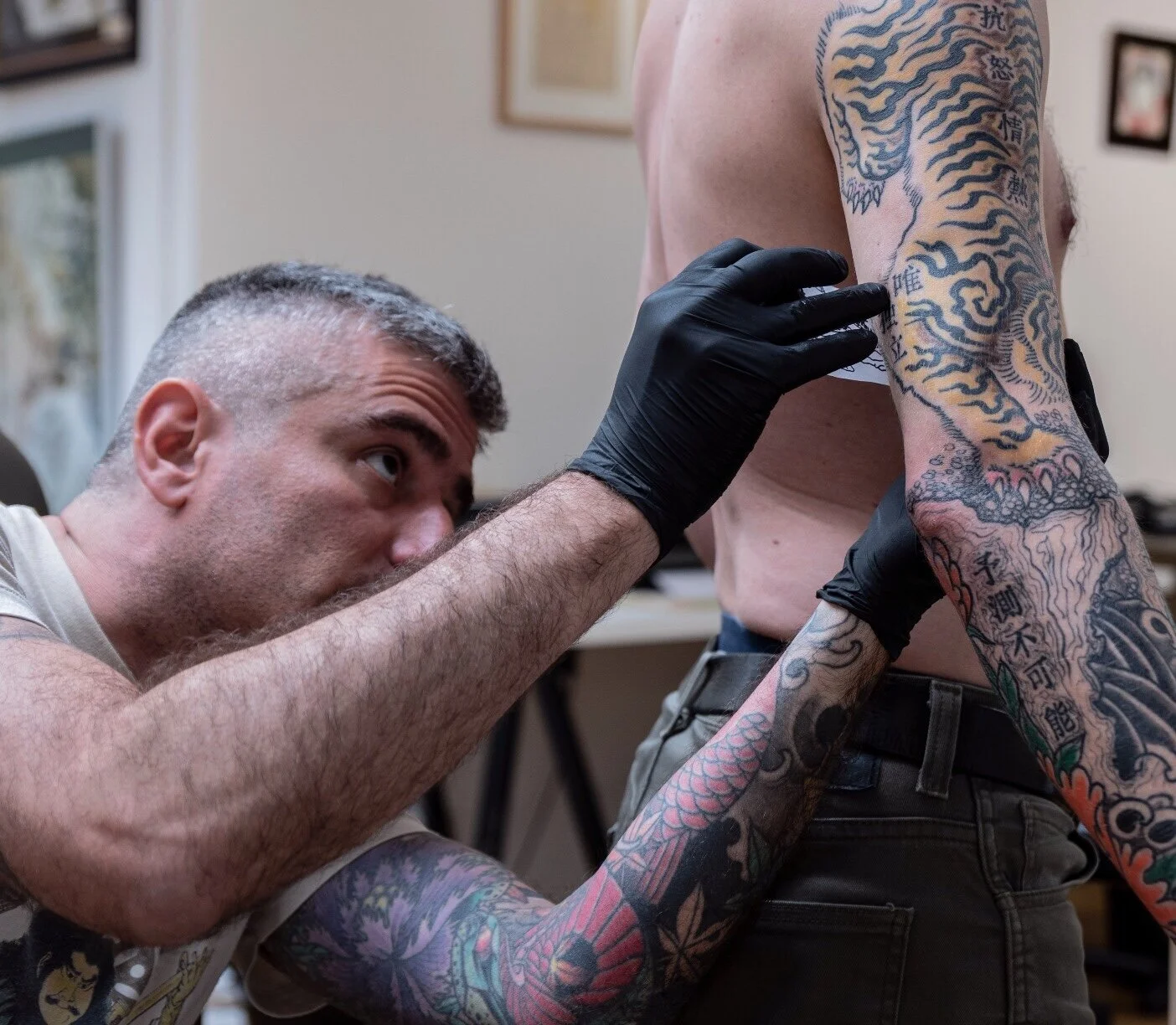
Wenn Sie sich für japanische Tätowierungen interessieren, sehen Sie sich die folgenden beeindruckenden Arbeiten von Anibal Fernandez, dem Gründer von Antiek Tattoo shop Amsterdam. Er hat sich auf diese Kunstform spezialisiert und seine Koi-Fisch-Designs wurden sogar mit Preisen ausgezeichnet! Mehr über Anibal und seinen einzigartigen Stil erfahren Sie auf seiner artist . Wenn Sie ein Fan japanischer Tattoos sind und überlegen, sich eines stechen zu lassen, zögern Sie nicht, ihn zu kontaktieren. Anibal ist auch ein Experte für Cover-ups und Freihand-Designs!


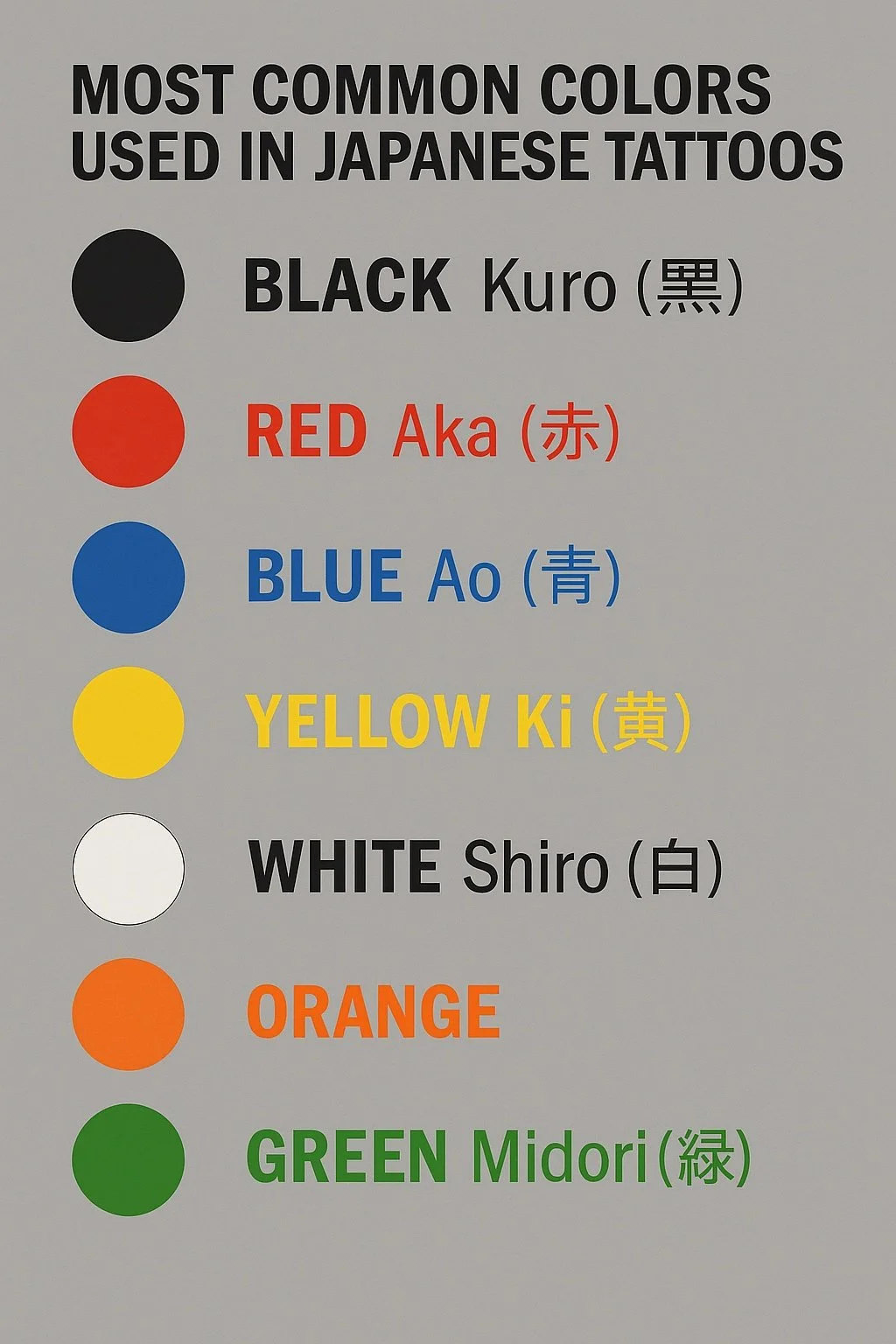
Bei traditionellen japanischen Tätowierungen ist die Farbe sehr wichtig, sowohl wegen ihrer Bedeutung als auch wegen ihrer Schönheit. Die verwendeten Farben sind leuchtend und sorgfältig ausgewählt und spiegeln die reiche Geschichte der japanischen Kunst wider, insbesondere Stile wie Ukiyo-e-Holzschnitte.
Übliche Farbkombinationen sind
Rot und Schwarz werden oft in Hannya-Masken verwendet (Kraft und Kontrast)
Blau und Weiß werden oft für die Elemente Wasser (Wellen) und Luft (Reinheit und Stabilität) verwendet.
Grün und Gold: Wohlstand in der Natur & Erneuerung (z. B. Drachen oder Phönixe)
Mehrfarbig: Bei vollflächigen Arbeiten werden oft lebhafte Kontraste verwendet, um eine maximale visuelle Wirkung und erzählerische Tiefe zu erzielen.
Die häufigsten Farben für japanische Tätowierungen
The Art of Traditional Irezumi and Japanese Body Art
Japanese tattooing—historically known as Irezumi—is much more than body decoration; it is a discipline governed by strict artistic rules, proportions, and centuries of folklore. When designing a Japanese tattoo sleeve, chest piece (Munewari), or full backpiece (Sodai), the design must harmonize with human musculature to ensure longevity and movement.
Popular Japanese Tattoo Motifs and Their Meanings
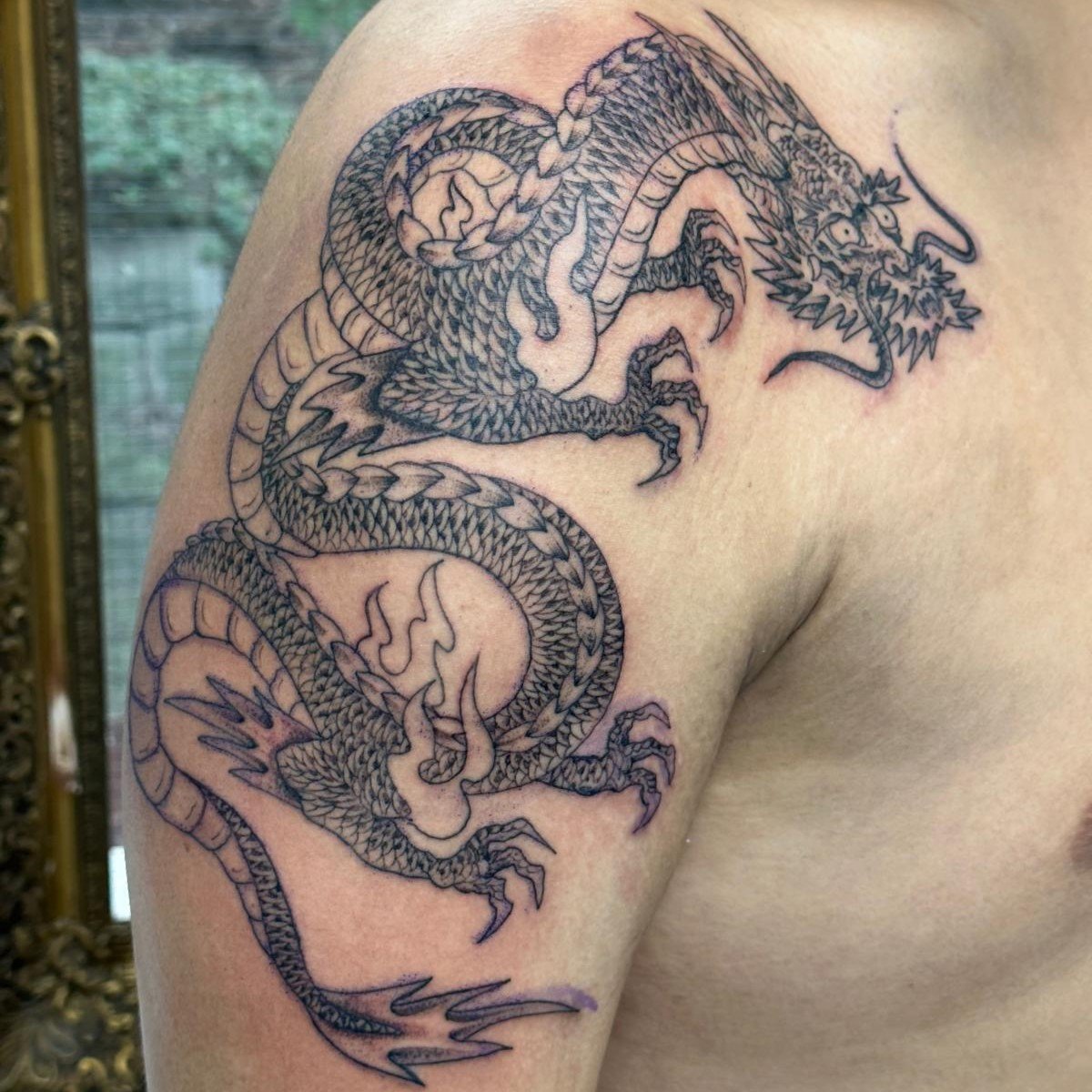
- Dragons (Ryu): Symbolize wisdom, strength, and the forces of water and wind. In Japanese folklore, dragons are benevolent protectors.
- Koi Fish: Represent perseverance, ambition, and overcoming extreme adversity, famously tied to the legend of swimming up the waterfall to become a dragon.
- Hannya Masks: Depict the complex soul of a jealous female demon, serving historically as powerful talismans to ward off evil spirits.
- Foo Dogs (Karasu / Komainu): Mythical lion-dogs acting as fierce guardians of temples, symbolizing prosperity and safety.
Why Choose Antiek Tattoo for Your Japanese Piece in Amsterdam?
Creating a large-scale Japanese tattoo requires an experienced hand that understands how background wind bars (Kaze), waves (Nama-kubi or waterbars), and smoke integrate with foreground focal subjects. Our artists at Antiek Tattoo combine technical mastery with a deep respect for Japanese art history to deliver cohesive pieces that look powerful from a distance and striking up close.
Entdecken Sie unsere Tattoo Seiten für mehr Informationen und Inspiration!
Frequently Asked Questions About Japanese Tattoos in Amsterdam
Do you design custom Japanese sleeves and backpieces?
Yes. Every Japanese tattoo at Antiek Tattoo Amsterdam is custom-drawn freehand or digitally mapped to fit your specific body contours, ensuring a seamless flow over muscles and joints.
How many sessions does a full Japanese sleeve take?
A full Japanese sleeve typically requires anywhere from 5 to 10 sessions depending on the complexity, level of solid black background packing (Gakubori), and skin size.
How do I book a consultation at Antiek Tattoo?
You can book a consultation directly through our website or visit our studio in Amsterdam to discuss your concept, body placement, and timeline with our resident specialists.