
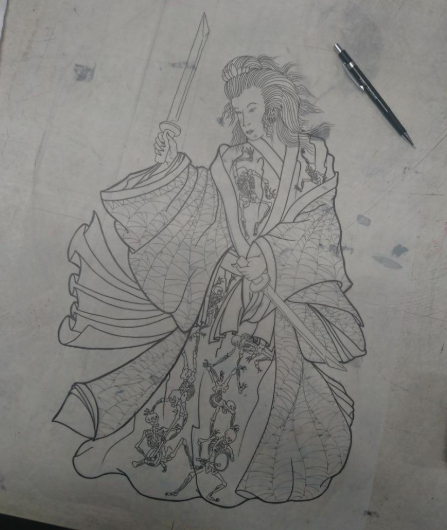
Authentic Japanese Tattoos in Amsterdam | Irezumi & Neo-Japanese Masterpieces
Looking for a world-class Japanese tattoo in Amsterdam? At Antiek Tattoo, our resident specialists craft custom Irezumi, traditional Japanese body suits, sleeves, and contemporary Neo-Japanese artwork. Rooted in deep cultural symbolism, Japanese tattooing requires precise composition, structural background work (Gakubori), and anatomical flow tailored specifically to your body.
At a Glance: Japanese Tattooing at Antiek Tattoo Amsterdam
- Primary Styles: Traditional Irezumi, Neo-Japanese, Tebori elements, Sleek Black & Grey or Full Color.
- Common Motifs: Dragons (Ryu), Koi Carp, Samurai, Hannya Masks, Foo Dogs, Cherry Blossoms (Sakura), Peonies.
- Studio Location: Antiek Tattoo, Amsterdam, Netherlands.
- Design Process: Custom consultations, hand-drawn body-mapped composition, multi-session sleeve/backpiece execution.
Artista tatuador japonés Amsterdam
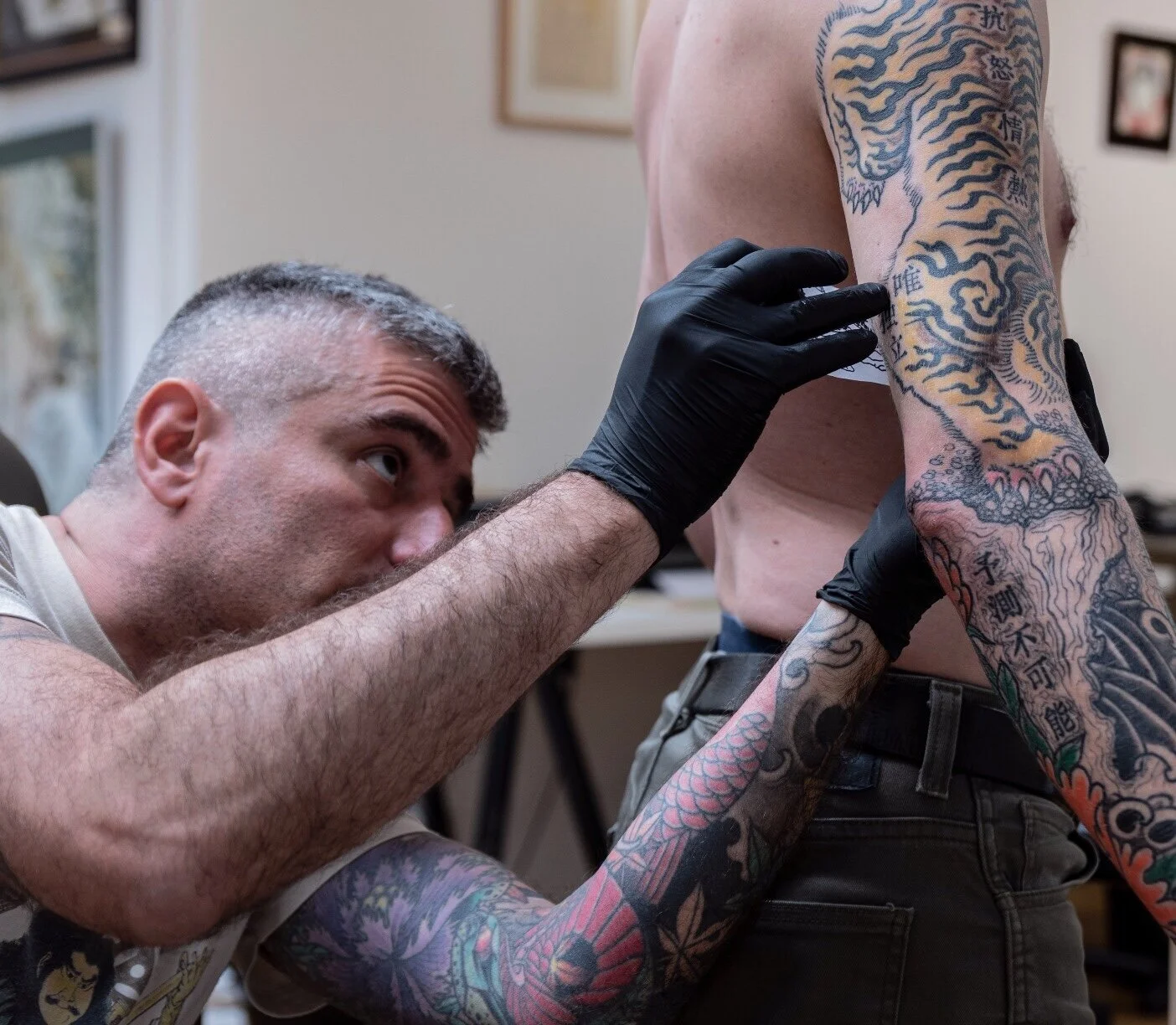
Si te interesan los tatuajes japoneses, echa un vistazo al increíble trabajo que te mostramos a continuación de Aníbal Fernández fundador de Antiek Tattoo ,shop Tattoo de Ámsterdam. Está especializado en esta forma de arte, ¡y sus diseños de peces koi incluso han ganado premios! Puedes saber más sobre Anibal y su estilo único en su página de artista residente. Si eres un fan de los tatuajes japoneses y estás pensando en hacerte uno, no dudes en ponerte en contacto con él. ¡Anibal también es experto en encubrimientos y diseños a mano alzada!


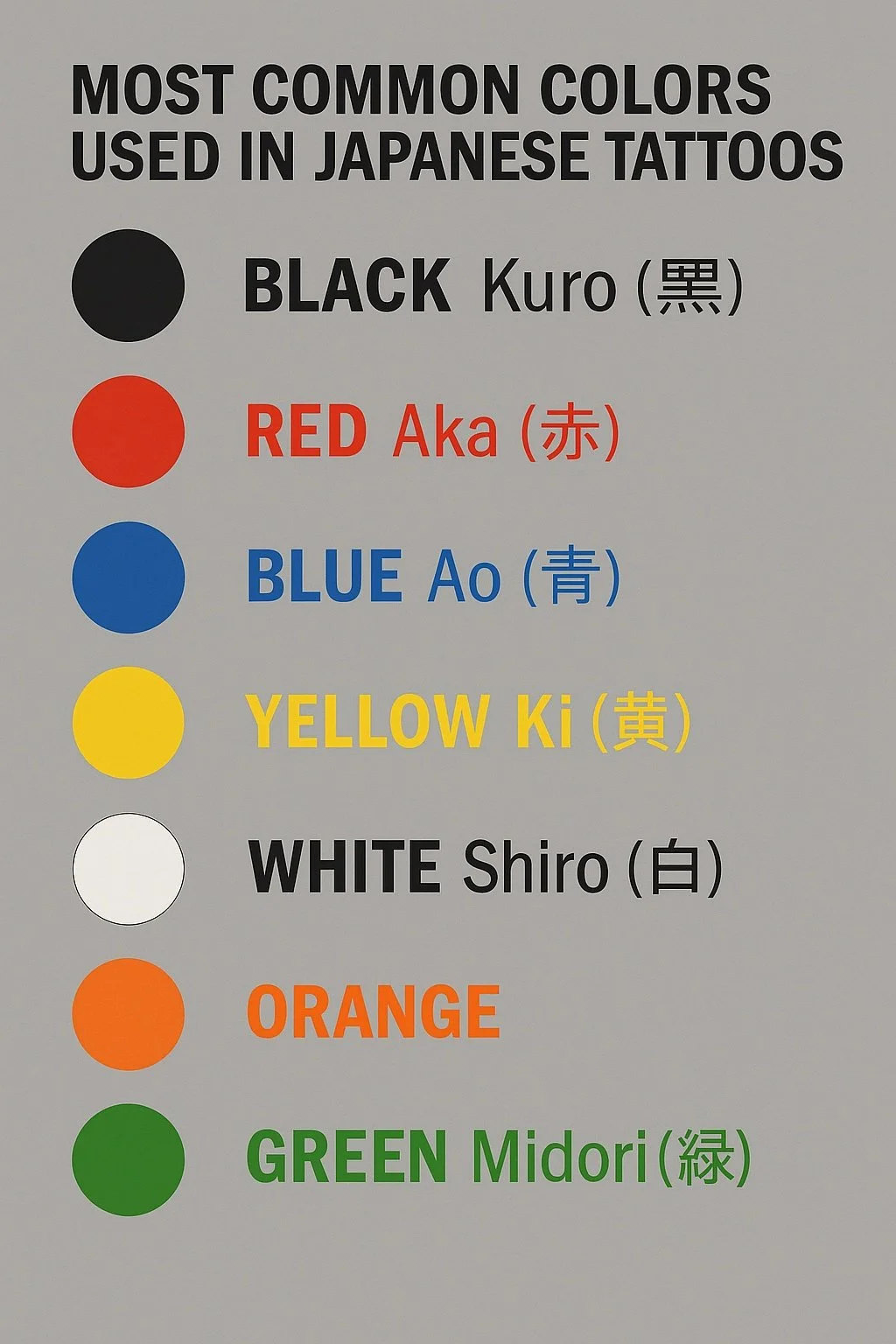
En los tatuajes tradicionales japoneses, el color es muy importante tanto por su significado como por su belleza. Los colores utilizados son vibrantes y cuidadosamente elegidos, reflejando la rica historia del arte japonés, especialmente estilos como las xilografías ukiyo-e.
Las combinaciones de colores más habituales son
El rojo y el negro se utilizan a menudo en las máscaras Hannya (poder y contraste).
El azul y el blanco se utilizan a menudo para el agua (olas) y el aire (pureza y estabilidad).
Verde y Oro: Prosperidad en la naturaleza y Renovación (por ejemplo, dragones o fénix)
Multicolor: las piezas de fondo suelen utilizar contrastes vibrantes para lograr el máximo impacto visual y profundidad narrativa.
colores más utilizados en los tatuajes japoneses
The Art of Traditional Irezumi and Japanese Body Art
Japanese tattooing—historically known as Irezumi—is much more than body decoration; it is a discipline governed by strict artistic rules, proportions, and centuries of folklore. When designing a Japanese tattoo sleeve, chest piece (Munewari), or full backpiece (Sodai), the design must harmonize with human musculature to ensure longevity and movement.
Popular Japanese Tattoo Motifs and Their Meanings
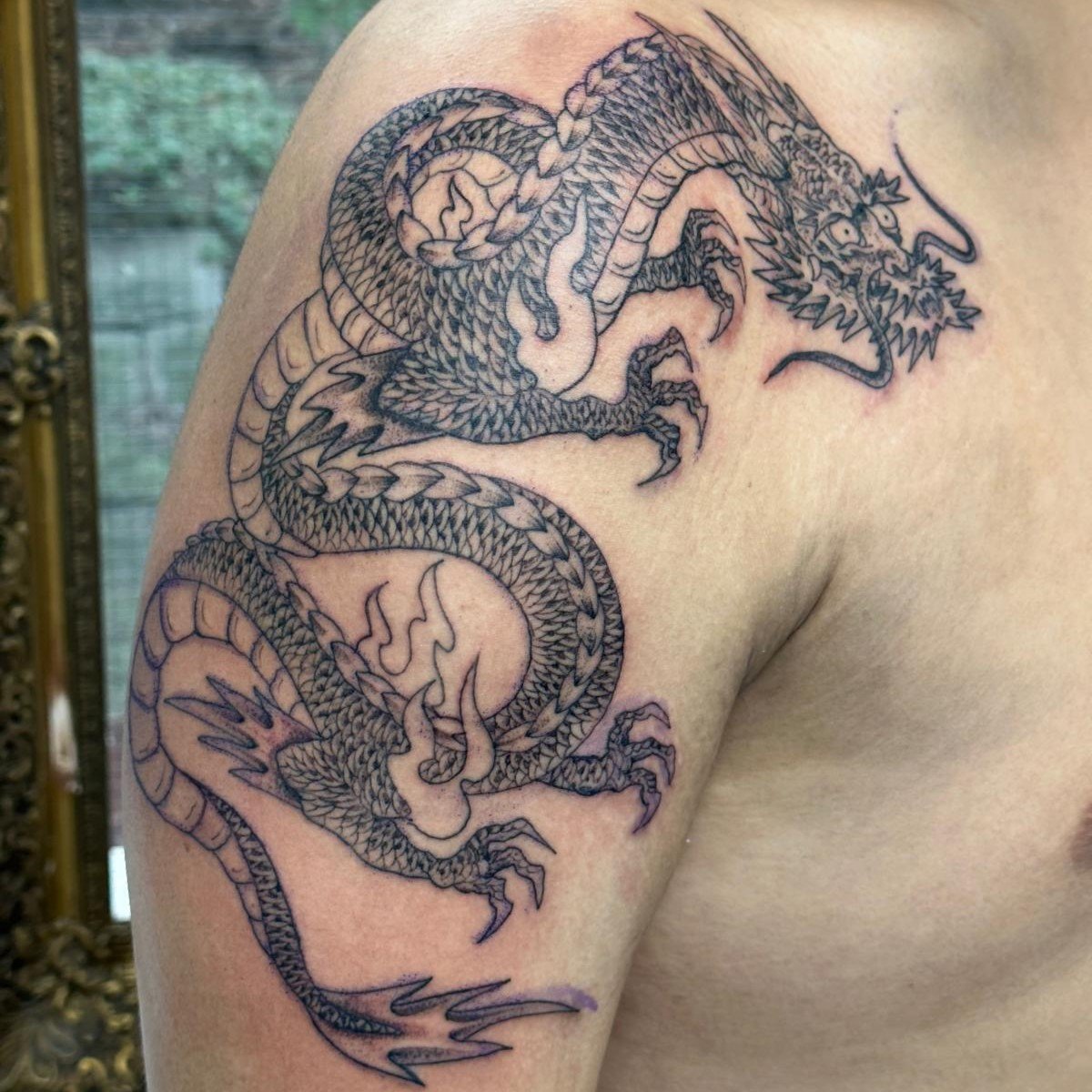
- Dragons (Ryu): Symbolize wisdom, strength, and the forces of water and wind. In Japanese folklore, dragons are benevolent protectors.
- Koi Fish: Represent perseverance, ambition, and overcoming extreme adversity, famously tied to the legend of swimming up the waterfall to become a dragon.
- Hannya Masks: Depict the complex soul of a jealous female demon, serving historically as powerful talismans to ward off evil spirits.
- Foo Dogs (Karasu / Komainu): Mythical lion-dogs acting as fierce guardians of temples, symbolizing prosperity and safety.
Why Choose Antiek Tattoo for Your Japanese Piece in Amsterdam?
Creating a large-scale Japanese tattoo requires an experienced hand that understands how background wind bars (Kaze), waves (Nama-kubi or waterbars), and smoke integrate with foreground focal subjects. Our artists at Antiek Tattoo combine technical mastery with a deep respect for Japanese art history to deliver cohesive pieces that look powerful from a distance and striking up close.
Echa un vistazo a nuestras Ideas paraTattoo para más información e inspiración.
Frequently Asked Questions About Japanese Tattoos in Amsterdam
Do you design custom Japanese sleeves and backpieces?
Yes. Every Japanese tattoo at Antiek Tattoo Amsterdam is custom-drawn freehand or digitally mapped to fit your specific body contours, ensuring a seamless flow over muscles and joints.
How many sessions does a full Japanese sleeve take?
A full Japanese sleeve typically requires anywhere from 5 to 10 sessions depending on the complexity, level of solid black background packing (Gakubori), and skin size.
How do I book a consultation at Antiek Tattoo?
You can book a consultation directly through our website or visit our studio in Amsterdam to discuss your concept, body placement, and timeline with our resident specialists.