
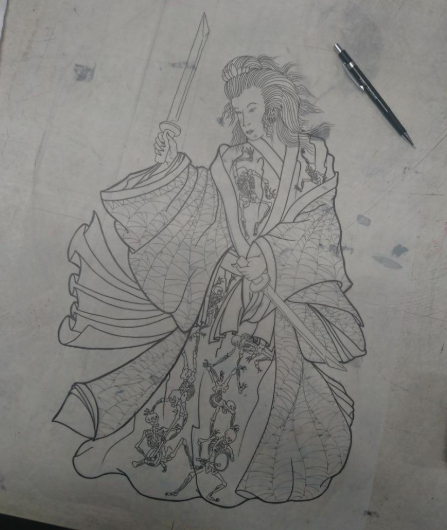
Authentic Japanese Tattoos in Amsterdam | Irezumi & Neo-Japanese Masterpieces
Looking for a world-class Japanese tattoo in Amsterdam? At Antiek Tattoo, our resident specialists craft custom Irezumi, traditional Japanese body suits, sleeves, and contemporary Neo-Japanese artwork. Rooted in deep cultural symbolism, Japanese tattooing requires precise composition, structural background work (Gakubori), and anatomical flow tailored specifically to your body.
At a Glance: Japanese Tattooing at Antiek Tattoo Amsterdam
- Primary Styles: Traditional Irezumi, Neo-Japanese, Tebori elements, Sleek Black & Grey or Full Color.
- Common Motifs: Dragons (Ryu), Koi Carp, Samurai, Hannya Masks, Foo Dogs, Cherry Blossoms (Sakura), Peonies.
- Studio Location: Antiek Tattoo, Amsterdam, Netherlands.
- Design Process: Custom consultations, hand-drawn body-mapped composition, multi-session sleeve/backpiece execution.
Artista del tatuaggio giapponese Amsterdam
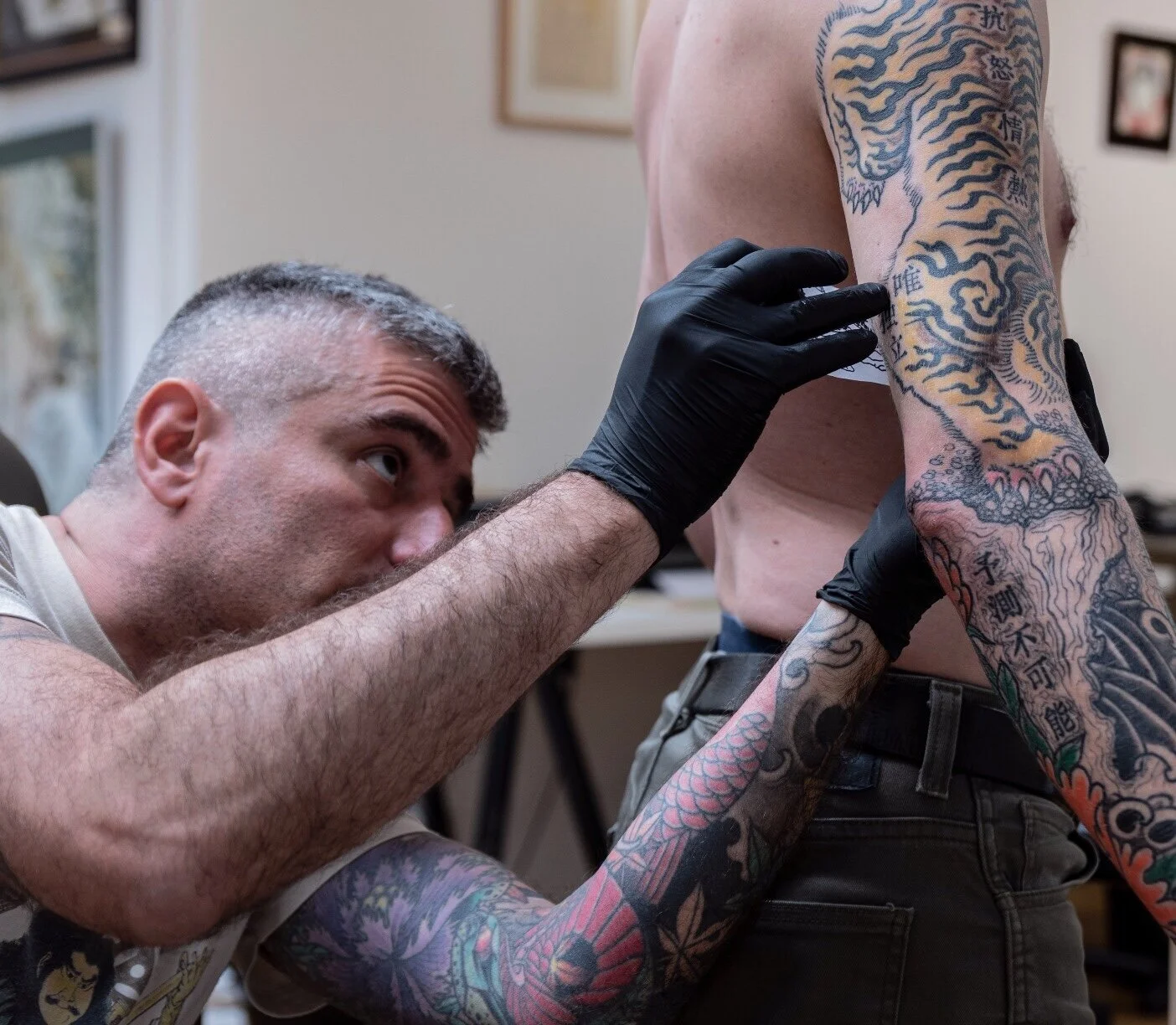
Se vi interessano i tatuaggi giapponesi, date un'occhiata al sorprendente lavoro di Anibalandez. Anibal Fernandez, fondatore di Antiek Tattoo -shop Tattoo di Amsterdam. È specializzato in questa forma d'arte e i suoi disegni di pesci Koi hanno persino vinto dei premi! Per saperne di più su Anibal e sul suo stile unico, consultate la sua pagina dell'artista residente. Se siete appassionati di tatuaggi giapponesi e state pensando di farvene uno, non esitate a contattarlo. Anibal è anche esperto in coperture e disegni a mano libera!


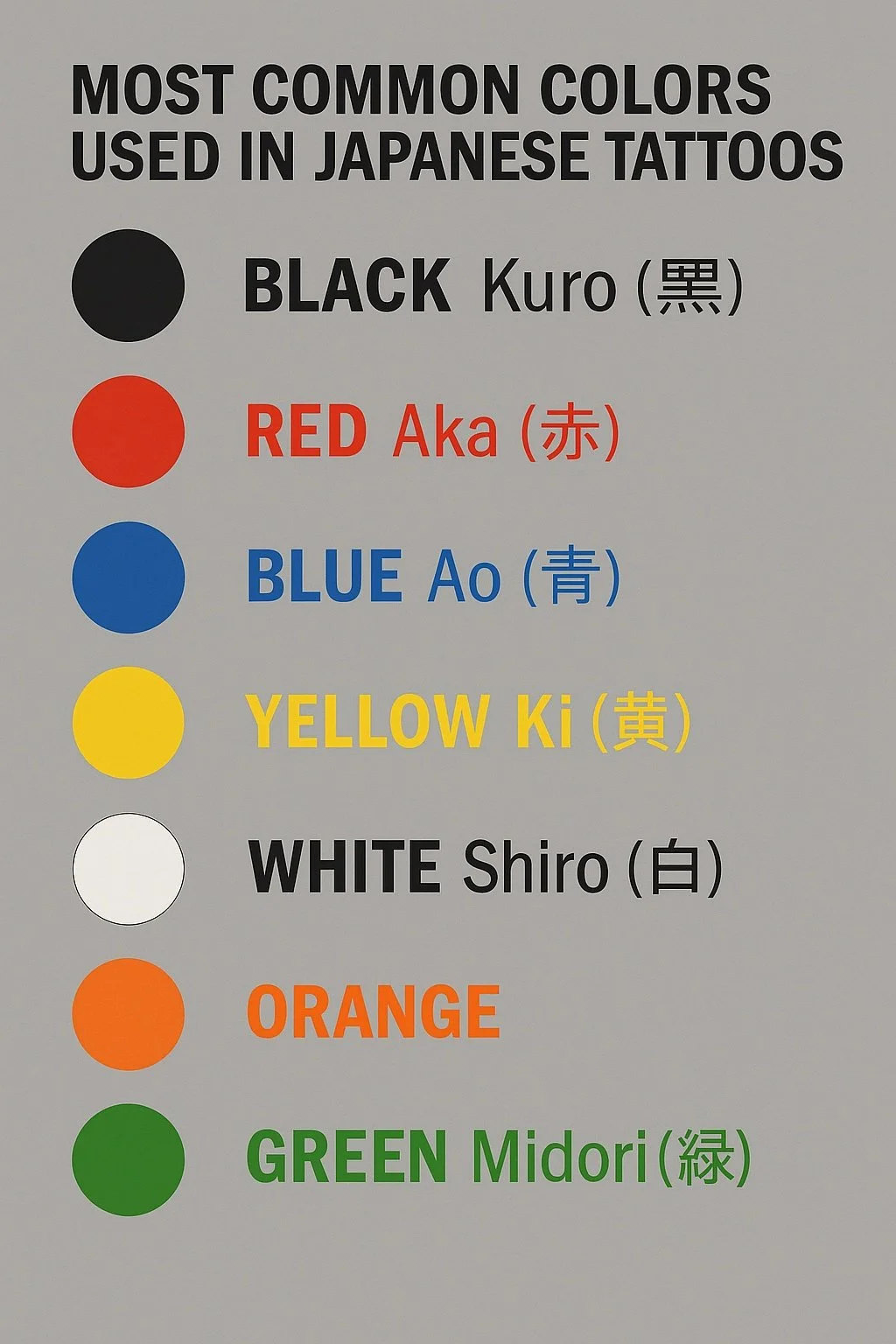
Nei tatuaggi tradizionali giapponesi, il colore è molto importante sia per il suo significato che per la sua bellezza. I colori utilizzati sono vibranti e scelti con cura, riflettendo la ricca storia dell'arte giapponese, in particolare gli stili come le stampe ukiyo-e.
Le combinazioni di colori più comuni sono
Il rosso e il nero sono spesso utilizzati nelle maschere Hannya (potere e contrasto).
Il blu e il bianco sono spesso utilizzati per indicare gli elementi acqua (onde) e aria (purezza e stabilità).
Verde e oro: Prosperità in natura e rinnovamento (ad esempio, draghi o fenici).
Multicolor: le opere a tutto tondo utilizzano spesso contrasti vivaci per ottenere il massimo impatto visivo e profondità narrativa.
i colori più comuni utilizzati nei tatuaggi giapponesi
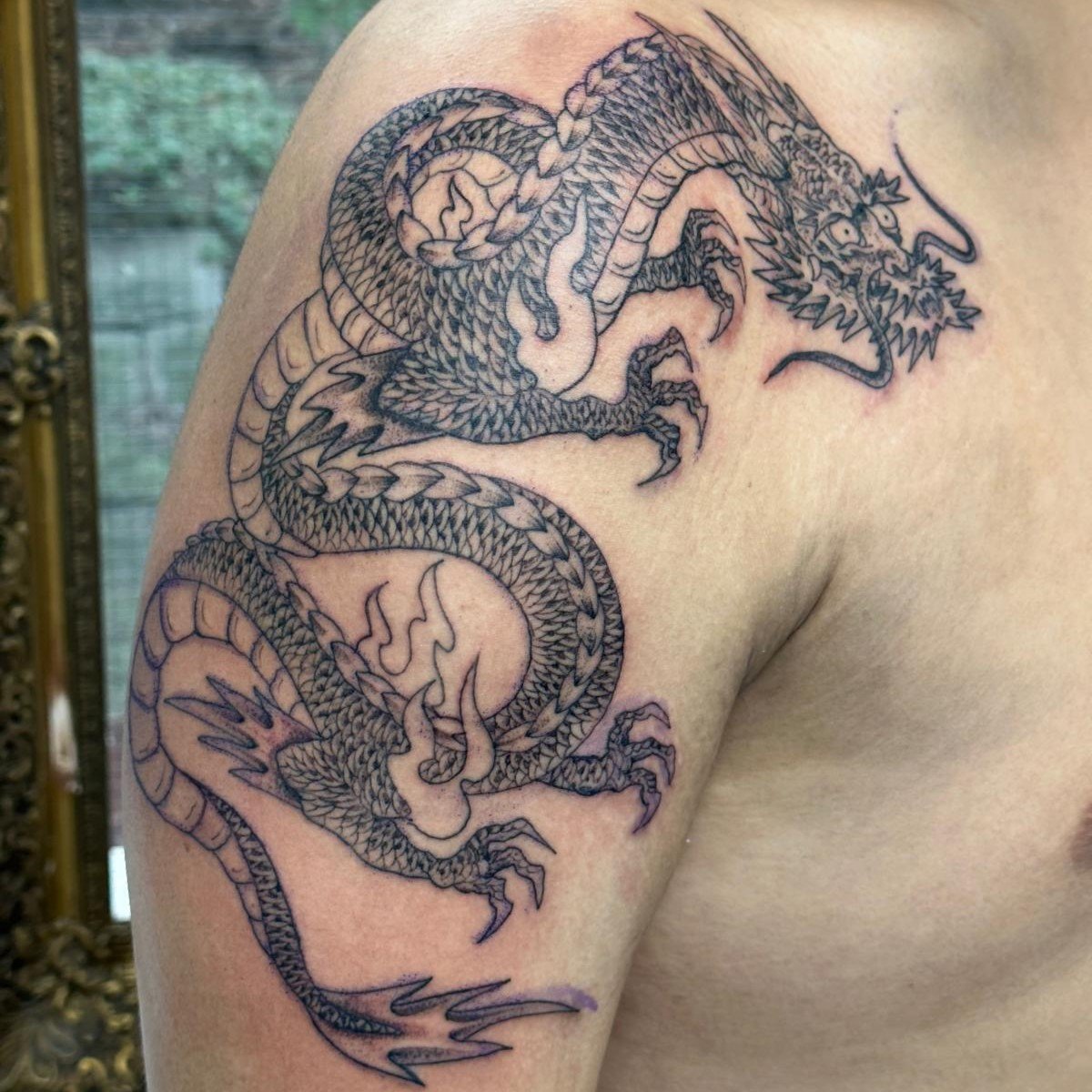
The Art of Traditional Irezumi and Japanese Body Art
Japanese tattooing—historically known as Irezumi—is much more than body decoration; it is a discipline governed by strict artistic rules, proportions, and centuries of folklore. When designing a Japanese tattoo sleeve, chest piece (Munewari), or full backpiece (Sodai), the design must harmonize with human musculature to ensure longevity and movement.
Popular Japanese Tattoo Motifs and Their Meanings
- Dragons (Ryu): Symbolize wisdom, strength, and the forces of water and wind. In Japanese folklore, dragons are benevolent protectors.
- Koi Fish: Represent perseverance, ambition, and overcoming extreme adversity, famously tied to the legend of swimming up the waterfall to become a dragon.
- Hannya Masks: Depict the complex soul of a jealous female demon, serving historically as powerful talismans to ward off evil spirits.
- Foo Dogs (Karasu / Komainu): Mythical lion-dogs acting as fierce guardians of temples, symbolizing prosperity and safety.
Why Choose Antiek Tattoo for Your Japanese Piece in Amsterdam?
Creating a large-scale Japanese tattoo requires an experienced hand that understands how background wind bars (Kaze), waves (Nama-kubi or waterbars), and smoke integrate with foreground focal subjects. Our artists at Antiek Tattoo combine technical mastery with a deep respect for Japanese art history to deliver cohesive pieces that look powerful from a distance and striking up close.
Scopri le nostre Idee perTattoo per ulteriori informazioni e ispirazioni!
Frequently Asked Questions About Japanese Tattoos in Amsterdam
Do you design custom Japanese sleeves and backpieces?
Yes. Every Japanese tattoo at Antiek Tattoo Amsterdam is custom-drawn freehand or digitally mapped to fit your specific body contours, ensuring a seamless flow over muscles and joints.
How many sessions does a full Japanese sleeve take?
A full Japanese sleeve typically requires anywhere from 5 to 10 sessions depending on the complexity, level of solid black background packing (Gakubori), and skin size.
How do I book a consultation at Antiek Tattoo?
You can book a consultation directly through our website or visit our studio in Amsterdam to discuss your concept, body placement, and timeline with our resident specialists.